Surfaces Built to Handle Freeze Thaw Cycles
From new driveway installations to lasting repairs, we get the job done right
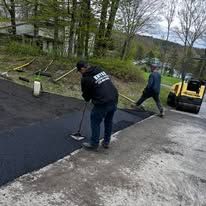
Pittsfield winters are tough on driveways. The freeze-thaw cycle cracks surfaces, pushes up sections, and opens gaps where water sneaks in and makes things worse. If your driveway is showing breaks, uneven spots, or drainage issues, the fix usually comes down to correcting the grade and getting the right materials in place. Whether you need a full replacement or targeted repairs depends on how much of the surface is still holding up structurally — and we can help you figure that out.
Every driveway job starts with proper site prep and grading so water runs away from your surface and foundation instead of sitting on it. We choose materials based on what your driveway actually needs to handle — vehicle weight, seasonal ground movement, climate exposure — and we compact everything in stages so you don't end up with low spots and puddles down the road.
Schedule a property evaluation and we'll take a look at what's going on and what it'll take to fix it.
Why Proper Preparation Prevents Early Failure
How well your driveway handles rain and snowmelt comes down to one thing: slope. If the base isn't graded right or the subgrade settles unevenly, water has nowhere to go — it pools on the surface, seeps into cracks, and freezes overnight, making everything worse. We dig out the unstable soil and pack in compacted aggregate so the foundation stays solid through whatever the weather throws at it.
Once the job's done, you'll notice the difference right away. Smooth transitions at your garage and street connection, no more jolting over uneven joints. Water runs off the surface instead of collecting in low spots. The driveway stays level through the seasons, and you're not watching new cracks spread across the width every spring.
We handle both residential driveways and commercial access roads built to take regular equipment traffic. Because we own our trucks and excavation equipment, materials show up on time and site prep doesn't require juggling multiple contractors. And if you've been patching the same spots year after year, it's worth having a conversation about full replacement — at some point, the repair costs add up to more than a new surface that'll last for decades.
Questions Before Starting Your Project
Property owners in Pittsfield often ask about repair options, installation timelines, and what determines whether patching or replacement makes more sense for their situation.
What causes driveways to crack and heave in this area?
Freeze thaw cycles drive moisture into small cracks, where it expands as ice and widens the damage each winter. Poor drainage accelerates this process by keeping water near the surface.
How does grading affect driveway performance?
Proper slope moves water off the surface and away from the foundation, preventing pooling that leads to ice formation and surface deterioration. Without correct grading, even high quality materials fail prematurely.
When should I replace instead of patch?
If more than thirty percent of the surface shows cracking, heaving, or drainage problems, replacement typically costs less over five years than ongoing repairs. A site evaluation identifies the extent of subsurface damage.
What's included in site preparation?
Excavation removes damaged material and unstable soil, grading establishes proper slope, and compacted aggregate creates a stable base layer. Each step directly affects how long the finished driveway lasts.
How long does installation take?
Most residential driveways require two to four days depending on size, excavation depth, and weather conditions. Commercial projects with heavier traffic requirements involve additional base preparation.
2nd Alarm Trucking, Inc. provides driveway installation and repair that addresses both surface damage and the grading issues that cause it. Request an estimate that includes site evaluation and material recommendations based on your property's specific conditions.